Skip to content

14 Useful Mastitis Prevention Tips for Dairy Farmers

Share this post

Mastitis prevention:

Some useful tips to keep your dairy herd happy and healthy

We hope you find these tips on mastitis prevention useful and as always if you need further advice please give us a call.
14 Mastitis Prevention Tips | Mount Vets Farm Vet Practice in Wellington
1: Gloves should be worn by all milkers at all times when milking

These have a smooth surface which bacteria have problems attaching to. They should be kept clean during milking by regular dipping in a bucket of disinfectant, containing peracetic acid.

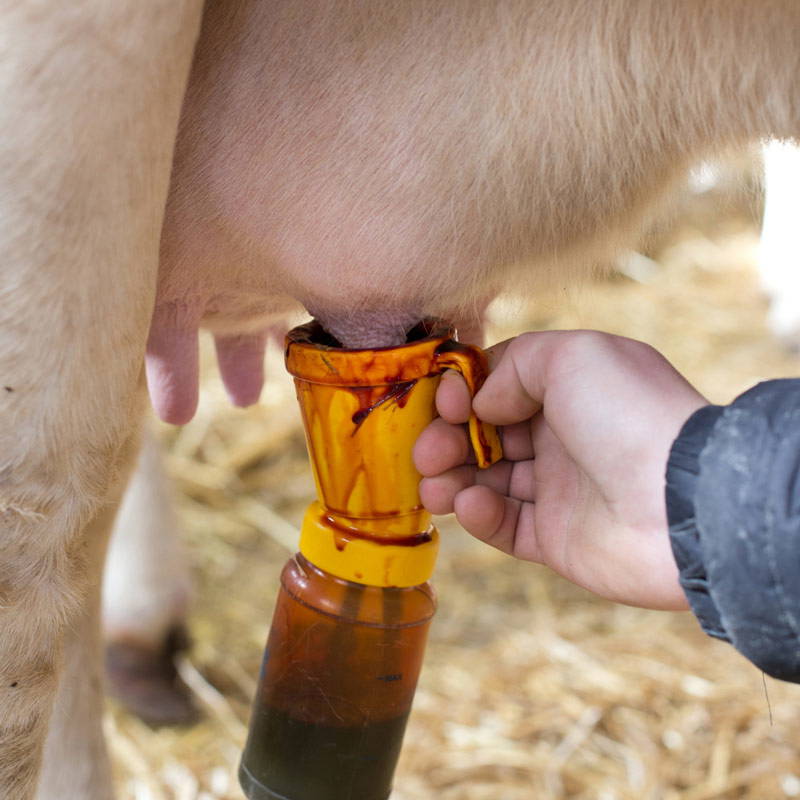
2: Pre-dip all teats prior to milking

Preferably use a frothing teat cup which will sterilise the skin around the base of the teat, helping to reduce cluster contamination. If the teat is clean at the start of milking, it reduces the cluster contamination and so reduces mastitis occurrence.
14 Mastitis Prevention Tips | Mount Vets Farm Vet Practice in Wellington
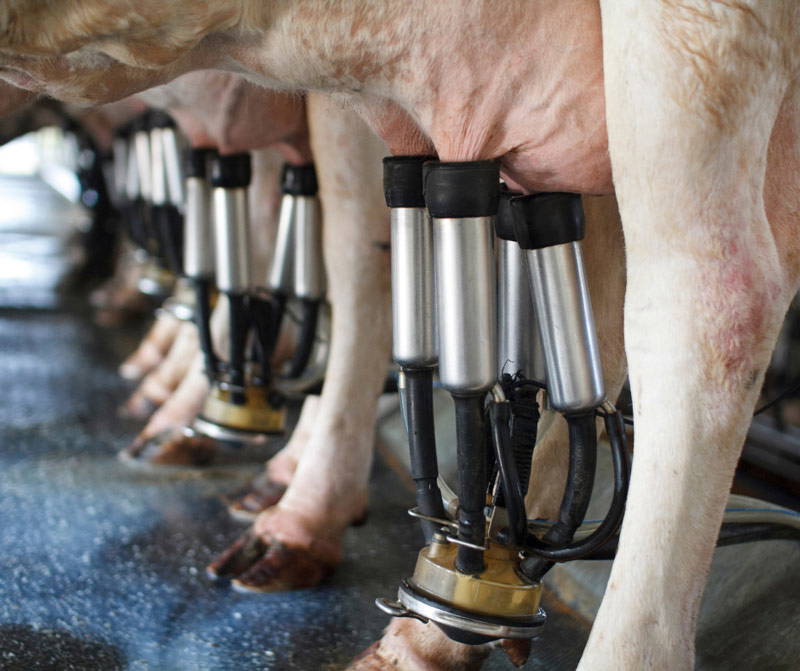
3: All clusters should be sterilised between all cows

Use a bucket, spray or drop hose to deliver the cluster cleaning product. This product should contain peracetic acid which has a 15 second bacteria killing time. Once the problem is under control, clusters could be cleaned only after mastitis/high cell count cows or before fresh / at risk cows, if you wish.

4: Only use one piece of paper towel per cow

This prevents the spread of contagious mastitis.

5: Keep cows standing up after milking for 30 minutes

This ensures the teat end has had time to close before they lie down, preventing the entrance of bacteria.

6: Separate the cows into two groups, of high and low cell counts

Milk the low group first, to help prevent spread from the infected to the non infected cows.

7: Use a good thick iodine based post dip or a barrier dip

There are some good value dips on the market that are much thicker and you may find these help. One is called Mazocare. The most common barrier dip is called Valiant (bit pricey but does a good job).

8: Pre-strip teats prior to milking

This removes most of the bacteria in the teat, reducing cluster contamination, and mechanically prepares the teat for milking reducing damage.
14 Mastitis Prevention Tips | Mount Vets Farm Vet Practice in Wellington
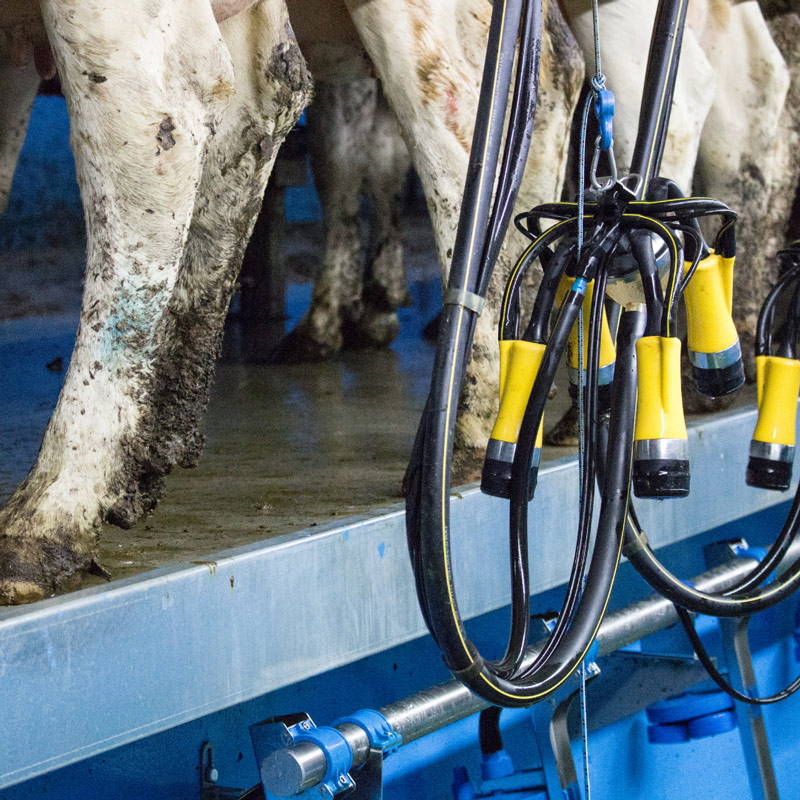
9: Don’t use pressure hoses in the parlour while the cows are being milked

You can splash dirty water up onto open teat ends, causing mastitis.

10: Cubicles should be limed at the back every day after bedding up

This reduces the bacteria in the area where the udder sits, reducing the environmental mastitis.

11: Beware of using the dump bucket on both mastitic cows and the fresh calvers

The freshly calved cows are most at risk and so should either be milked first and/or the cluster washed thoroughly in cluster dip between each cow, even between mastitic cows.

12: Keep tails clipped (most already done) and singe hair off udders using a lance

This will help to keep the udders cleaner.

13: Sample any new case

Put the sample in the freezer where it will keep for up to 3 months. These can be grouped and assessed to find the causative bacteria.

14: Use a teat sealant at drying off, in conjunction with an antibiotic tube

To prevent cows from picking up infections in the dry period.
Speak with a qualified farm vet...

The Farm Vets at Mount Vets are here to help with any questions you have on this subject – if you need help or advice on any farm veterinary issues please give us a call immediately.
Please call: 01823 663384

Related posts...

Herd and Flock Health Planning

Proactive health and production management is our aim. We are heavily involved in all aspects of herd and flock management, comprising regular fertility visits, preventative medicine planning, detailed computer analysis, Red Tractor and many other farm assurance schemes. Our range of services exist to suit individual needs.

If you’re interested in this service please contact us or call 01823 663384

Cow, Bull and Ram Fertility

We run extensive investigations into dairy cow, suckler, bull, ram and ewe fertility. Services range from semen assessment, to cow/ewe reproductive health and in-depth data analysis. The combination of statistics, lab samples, client discussion and preventative medicine allows us to make huge inroads into our clients’ fertility challenges.

If you’re interested in this service please contact us or call 01823 663384

Mastitis Management and Dynamic Parlour Testing

Our vets use a combination of team discussion, milk sampling, statistical analysis and dynamic parlour testing to address mastitis challenges. We work closely with our farmers on this and many other topics. Best results are achieved as a team. Ask us about our dynamic parlour testing, its amazing what you might learn about your own parlour!

If you’re interested in this service please contact us or call 01823 663384

Lameness

Lameness in cattle and small ruminants is a huge welfare and production concern. Mount Vets work collaboratively with farmers and foot-trimmers to tackle this challenge. Regular courses and continued support is available to farmers looking to take on their own foot trimming, or just sharpen their skills.

If you’re interested in this service please contact us or call 01823 663384

Youngstock Health and Rearing

A good start to life is the key to success. The practice offers guidance on all aspects of youngstock rearing, from disease control to nutrition. We are also proud to support a thriving youngstock focus group for our farmers.

If you’re interested in this service please contact us or call 01823 663384

Mount Vets Training

The practice prides itself on a long history of providing training courses, with members of the team receiving awards and external recognition for their teaching. The breadth of courses is vast and growing.

Check out our Courses and Events below:

Beef & Sheep Group

The Beef Health Group is a collection of progressive farmers who meet regularly and champion vet involvement and knowledge sharing between farmers in their enterprises.

If you’re interested in the Beef Health Group please contact us or call 01823 663384

Cattle and Sheep Parasitology

We work closely with our clients to ensure effective parasite control with the minimum use of chemical wormers.

A full parasite identification service is available through the practice.

In addition, we now offer training to clients to teach them to perform their own worm egg counts from home.

If you’re interested in this service please contact us or call 01823 663384

Export Services

Mount Vets Limited is a leading UK provider of export certification and advice to companies involved in the export of POAO (Products of Animal Origin) abroad, including dairy and meat based foods.

If you would like to find out more about the services that we offer, then please click the link:  https://www.mountvets.com/export-services/ 

Smallholdings and Pet Farm Animals

‘All creatures great and small’. At Mount Vets we welcome all sizes of flocks and herds, from the single pet cow, pair of potbellied pigs, to the well-loved gang of retired sheep. If you love your animals and want to learn more about them, then we’re the vets for you.

If you’re interested in this service please contact us or call 01823 663384

Dairy Goats and Camelids

Goats, Alpacas and Llamas make up a significant part of the landscape in the South West. At Mount Vets, we ensure that they receive the right level of experienced veterinary care.

If you’re interested in this service please contact us or call 01823 663384