Skip to content

Farmer’s Newsletter – April 2024

Share this post

April 2024

Here is the latest from our farm team at Mount Vets. If you would like any further advice or would like us to cover something in the next newsletter, please call us on 01823 663384 or contact us here.

We want to hear your feedback… Leave us a review!

We value your feedback and comments and would appreciate if you could take the time to leave us a review! Please follow the link to share your thoughts.

https://g.page/r/CTSyP_UXvSPIEAI/review

Milk Feeding Temperature

(Written by Ollie Judkins)

Whether feeding whole milk or a milk replacer, consistency is vital for diary calves to grow efficiently and healthily. When considering consistency there are multiple variables to think about including temperature, time of day that feeding occurs, concentration of milk replacer, volume of milk replacer, proper mixing. If we are targeting calves to achieve a growth rate of 0.75kg per day, we need to maximise feed intakes as long as it is at a safe and economical level.  

One disease of milk fed dairy calves we have seen in the practice is abomasitis (inflammation of the abomasum) and bloat which is often caused by an overgrowth Clostridial bacteria. A large risk factor in calves developing abomasitis can be small inconsistencies in milk feeding. This can sometimes happen when different staff members who are not used to feeding the calves are asked to cover calf feeding for example on a weekend or when the usual staff member in charge of feeding is on holiday.  

If we focus on temperature, Volac recommends feeding milk replacer between 37-39℃ which is around normal calf body temperature. This can help to stimulate closure of the oesophageal groove which an important anatomical feature of calves to ensure milk bypasses the rumen and enters the abomasum. Milk that enters the rumen can end up fermenting which leads to bloat.  
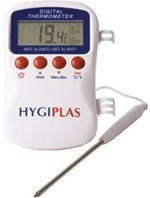
When mixing milk replacer, the initial temperature should be slightly higher than the target feeding temperature to account for the milk cooling down. A suggested mixing temperature could be 42℃. This can be adjusted if the environmental temperature varies considerably as long as the temperature the calves are drinking the milk at is 37-39℃. Whole milk should also be feed at calf body temperature. Automatic feeders should have the ability to set a desired feeding temperature. The manufacturer can be consulted to find out the process if not known. When farmers have been surveyed regarding feeding practices, many agree that feeding temperature is important but very few accurately measure the temperature of the milk they are feeding. This can easily be monitored by using a thermometer to measure the temperature of the milk during mixing and when feeding. An example of an inexpensive probe is shown below. 

It’s a good idea to have easily to follow, step by step instructions printed out and displayed wherever mixing/feeding takes place. This ensures all staff know how to correctly perform the required task and will reduce the chance of errors happening. 
Dwarfism in Suckler Calves

(Written by Charlie Aldington)

Mercifully, the spring calving suckler herds seem to have dodged too many of the Schmallenberg cases we feared may have been looming after the high incidence among the early lambers. Instead, we have a few farms that have been reporting an entirely different type of birth deformity, interestingly both are very close to each other geographically. For both farms, this is a new issue, and we would be really interested to hear from anybody else who has experienced similar calves in the last few years.

The condition has many names, Dwarfism being the easiest to pronounce, but also goes by Long Bone Chondrodystrophy or Long Bone Deformity. Affected calves are usually born with shortened limbs, often with thickened joints, but a normal torso and head size. Their fetlock joint (the last joint before the foot starts) can be very loose and bendy, making it difficult or impossible for the calves to stand and suck. Calves may have an underbite with the upper jaw being shorter than the lower jaw. Calves can show varying degrees of these abnormalities, with the less severe ones potentially surviving long enough to grow out of it to a small degree, though most will need euthanizing.

This is normally a sporadic issue where farmers may get one or two in a year and then possibly never again, with the cause never really being established. This year however, there are apparently an increase in the case numbers reported to Starcross and on one of our farms, they have had some degree of dwarfism in well over half of their calves born so far.

Although there can be a genetic element in some cases, more often than not, the condition is caused by a complicated and not fully understood form of manganese deficiency. This is particularly important when it occurs from around month four to six of pregnancy, where the lack of available manganese prevents normal growth of the “long bones” of the leg as they turn from cartilage into bone, leaving them abnormally shortened. It is unclear whether this is due to a primary manganese deficiency in the soil/forage, or whether some other element, such as high iron, may interfere with its uptake mechanism in the gut.

The following feeding practices seem to increase the risk of this occurring:

  • Feeding very high-quality silage to suckler cows, such as well-made clamp silage or maize silage. Also, silage with a high red clover content may increase the risk.
  • Feeding more than 75% of their daily dry matter intake (DMI) as silage (especially the above types), especially if only silage is fed. Ensuring straw makes up at least 25% of their daily DMI will reduce the risk.
  • Feeding silage with a higher than normal soil content, especially in areas with high iron content in the soil. Iron and manganese are thought to share the same uptake channel in the gut, so when dietary iron intake is high, these channels can close to protect the cow from iron poisoning. Unfortunately, this also shuts out the manganese, which might lead to secondary deficiency.

If these symptoms are ringing any bells with anyone, please do get in contact with Charlie or Pip at the practice! No Snow White jokes, please.

A Testing Lambing Season

(Written by Pippa White)

Lambing is well and truly upon us. Some of you are still in the throes, others have finished up and catching up on some well needed sleep!

We hope for many of you that things are going smoothly, and you don’t need a visit from one of us, but this year has brought its own set of challenges. Firstly, the weather, beyond our control and sometimes beyond belief. The recent deluge of rain has made for tough conditions to turn out lambs and severely affected grass keep from poaching.

We have seen some very unfortunate outbreaks of Schmallenberg virus, causing severe lamb deformities. This is a very disheartening disease for all involved, as there is currently not a licenced vaccine available in this country. The virus is spread via midges in early pregnancy, mostly during mild autumns. If you have a suspected case, we urge you to contact us. There is funding available for free testing at Starcross. The more cases that we can get tested, the better we can understand this disease and help develop preventative measures.

There is also funding available again this year to test for enzootic abortion and toxoplasmosis. These are two of the most common causes of abortion in sheep, both of which are very preventable via vaccination. Up to 8 unvaccinated ewes can be tested (laboratory costs fully funded) to determine their exposure to these diseases. Please note that they must be unvaccinated animals, otherwise the testing will be of no use. If you have experienced a higher barren rate or abortion percentage than normal, then please give us a call and we can talk through what would be appropriate for your situation.

Finally, it’s not all doom and gloom. Lamb prices this year are exceptionally good, so we hope that your hard work in the lambing shed pays off, literally!

Upcoming courses

DIY Articial Insemiation Course

Our next 4-day DIY AI course will run on 19th, 20th, 22nd & 23rd August 2024.

This DEFRA approved course is aimed at anyone who has no previous experience in the artificial insemination of cows.

The 4-day course is run by our experienced farm vet Rob Mangham and is full of theory and practical sessions to make sure you leave feeling confident and safe in all aspects of AI.

The cost of the course is £500 + VAT, with a £50+VAT deposit to secure your space.
(Deposit will be taken off final amount)

Please ring the practice to book your place on any of our courses on 01823 663384 or email farm@mountvets.com

Meet the Team!

We have an experienced & friendly team here at Mount Vets. You might already recognise a few faces but over the next few months we will reintroduce you to some of our excellent team. To read more and see more of the faces of Mount Vets visit our team page, and be sure to follow us on Instagram and Facebook.

Piers Pepperell

Director

Many of you will already know our Mount Vets Director Piers; but did you know he has appeared on tv show Blind Date with Cilla Black?

Piers loves to spend a free day with his two daughters and three dogs, surfing on the North Devon Coast.

His favourite vet call out was when he was called into the waiting room and unknown to him at the time, but he then met his wife to be. She had brought in her eight baby bunny rabbits, which led on naturally to a 10-minute chat about pig wormers and her asking Piers out on a date.

Pip White

Vet

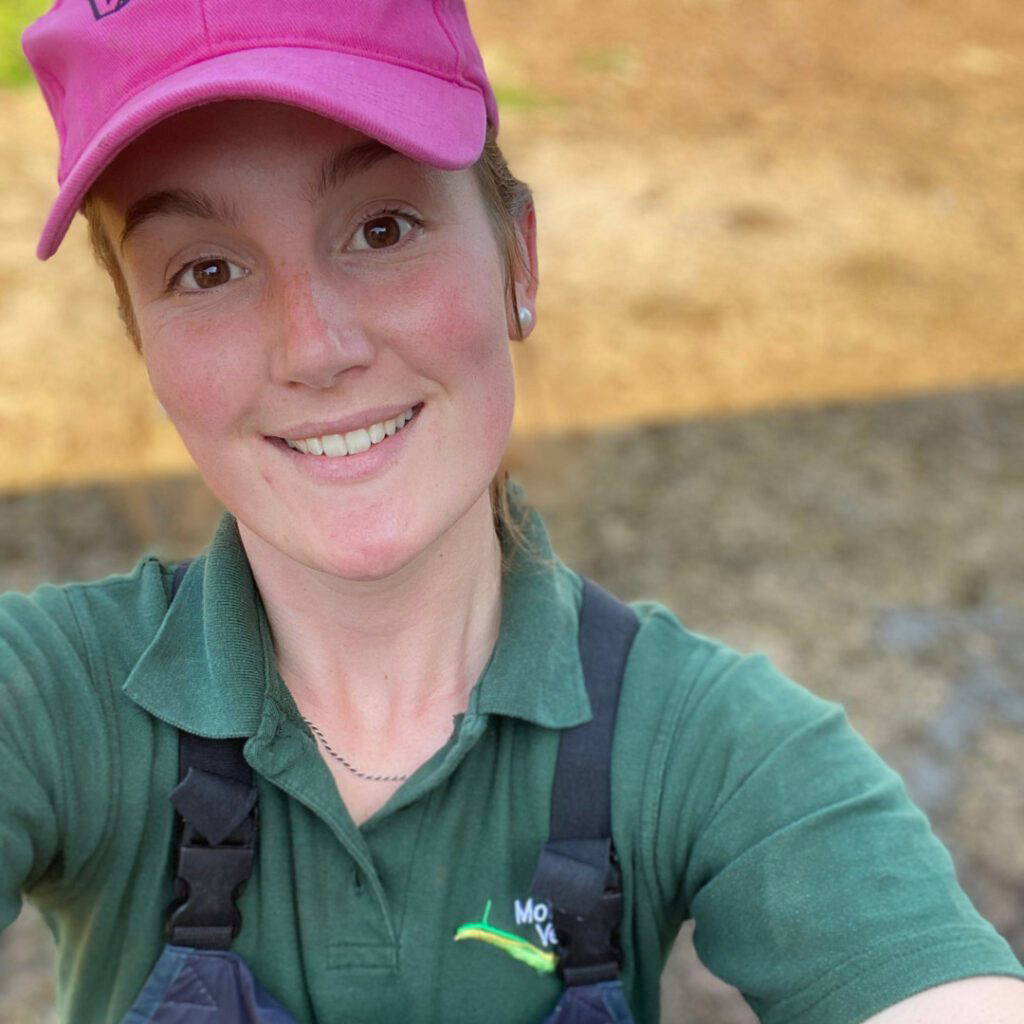
Pip is one of our large animal vets. If you’ve met her, you will probably know how much she loves her cows. So much so, that she loves to spend her free time at home with her cows! That, or in the showring showing them. 🐮

Pip graduated as top student in her year from the University of Surrey.

Her favourite song is Mr Brightside by the Killers.

Have a question about any of the topics covered in this newsletter?

If you need any assistance with the topics covered in this newsletter, please do not hesitate to get in touch with our experienced farm vets who will be able to help. Call 01823 663384, or contact us here.

Related posts...

Herd and Flock Health Planning

Proactive health and production management is our aim. We are heavily involved in all aspects of herd and flock management, comprising regular fertility visits, preventative medicine planning, detailed computer analysis, Red Tractor and many other farm assurance schemes. Our range of services exist to suit individual needs.

If you’re interested in this service please contact us or call 01823 663384

Cow, Bull and Ram Fertility

We run extensive investigations into dairy cow, suckler, bull, ram and ewe fertility. Services range from semen assessment, to cow/ewe reproductive health and in-depth data analysis. The combination of statistics, lab samples, client discussion and preventative medicine allows us to make huge inroads into our clients’ fertility challenges.

If you’re interested in this service please contact us or call 01823 663384

Mastitis Management and Dynamic Parlour Testing

Our vets use a combination of team discussion, milk sampling, statistical analysis and dynamic parlour testing to address mastitis challenges. We work closely with our farmers on this and many other topics. Best results are achieved as a team. Ask us about our dynamic parlour testing, its amazing what you might learn about your own parlour!

If you’re interested in this service please contact us or call 01823 663384

Lameness

Lameness in cattle and small ruminants is a huge welfare and production concern. Mount Vets work collaboratively with farmers and foot-trimmers to tackle this challenge. Regular courses and continued support is available to farmers looking to take on their own foot trimming, or just sharpen their skills.

If you’re interested in this service please contact us or call 01823 663384

Youngstock Health and Rearing

A good start to life is the key to success. The practice offers guidance on all aspects of youngstock rearing, from disease control to nutrition. We are also proud to support a thriving youngstock focus group for our farmers.

If you’re interested in this service please contact us or call 01823 663384

Mount Vets Training

The practice prides itself on a long history of providing training courses, with members of the team receiving awards and external recognition for their teaching. The breadth of courses is vast and growing.

Check out our Courses and Events below:

Beef & Sheep Group

The Beef Health Group is a collection of progressive farmers who meet regularly and champion vet involvement and knowledge sharing between farmers in their enterprises.

If you’re interested in the Beef Health Group please contact us or call 01823 663384

Cattle and Sheep Parasitology

We work closely with our clients to ensure effective parasite control with the minimum use of chemical wormers.

A full parasite identification service is available through the practice.

In addition, we now offer training to clients to teach them to perform their own worm egg counts from home.

If you’re interested in this service please contact us or call 01823 663384

Export Services

Mount Vets Limited is a leading UK provider of export certification and advice to companies involved in the export of POAO (Products of Animal Origin) abroad, including dairy and meat based foods.

If you would like to find out more about the services that we offer, then please click the link:  https://www.mountvets.com/export-services/ 

Smallholdings and Pet Farm Animals

‘All creatures great and small’. At Mount Vets we welcome all sizes of flocks and herds, from the single pet cow, pair of potbellied pigs, to the well-loved gang of retired sheep. If you love your animals and want to learn more about them, then we’re the vets for you.

If you’re interested in this service please contact us or call 01823 663384

Dairy Goats and Camelids

Goats, Alpacas and Llamas make up a significant part of the landscape in the South West. At Mount Vets, we ensure that they receive the right level of experienced veterinary care.

If you’re interested in this service please contact us or call 01823 663384